


For modern DTC teams, influencer campaign analytics and roi tracking is the difference between guesswork and profitable growth. In this 2026 comparison, we break down how Infliuence and Grin attribute revenue, surface real‑time insights, and turn creator content into orders you can defend in a finance meeting.
**Start free in 24 hours → and code hygiene are non‑negotiable. Without them, you cannot get apples‑to‑apples comparisons across creators and sprints.
Real-time dashboards you trust
Waiting a week to judge a post wastes budget. You need live dashboards that pull in views, clicks, sales, and approval status as they happen. As a result, you can pause weak content today. You can also boost what’s winning by noon. Moreover, reliable refresh times cut report work from hours to minutes. Look for configurable alerts. For example, Slack or email pings when CPC spikes, conversion rate dips, or a creator clears a payout threshold. The goal is to help the team react in real time instead of during next Monday’s check‑in.
Beyond simple metrics, modern dashboards should support side‑by‑side cohort comparisons. Time‑window controls (hourly, daily, 7‑day trailing) are equally important. These views let you isolate whether performance dips are creative‑specific or just weekend seasonality. Bonus points if anomaly detection flags outliers automatically. An example: a spike in direct traffic that actually traces back to a creator’s Story link. You can investigate quickly instead of missing attribution. Finally, insist on exportable views and a clear data dictionary. When everyone agrees on definitions for “click,” “view,” and “conversion,” debates shift from semantics to action. That shared vocabulary keeps meetings focused on decisions, not definitions.
Cost-per-acquisition tracking that includes content costs
CPA should include fees, gifted product, and media boosts. Therefore, your tool must let you log all costs per creator and per post. In addition, you should see CAC/CPA next to ROAS and net profit. Specifically, that mix shows which creators deserve a long‑term deal. Don’t forget “hidden” line items like shipping, taxes, editing, allowlisting fees, and UGC licensing. When these roll into creator‑level P&L, your renewal math becomes obvious and defensible.
A thorough view should also reconcile refunds, partial shipments, and discount stacking. Otherwise, CAC is quietly inflated or deflated by back‑office realities. If your platform supports SKU‑level margin and contribution after variable costs, you’ll catch creators who drive orders that look big but net thin profit. That nuance helps you rebalance briefs toward bundles or higher‑margin variants without guessing. It also helps creators understand why certain product pushes pay better, which improves collaboration.
Multi-platform reporting for one truth
Creators post to several platforms in the same week. However, your view of ROI should not split by network. A single report should summarize TikTok, Instagram, YouTube Shorts, and more. That way you can compare like for like. Furthermore, it should roll up campaign totals and let you drill into each post fast. Bonus points if the tool deduplicates sessions and conversions across overlapping content. It should also support canonical post IDs for re‑cuts and reposts. The best systems honor each platform’s analytics limits while normalizing the key metrics you care about.
A practical system also accounts for “dark social” shares and saves where attribution is murky. While you won’t get perfect visibility into DMs or private group chats, standardized UTMs on bio links, Story stickers, and captions reduce oversights. Look for automatic UTM appending and QR code options for live events or pop‑ups. Add logic that maps swipe‑ups and link‑in‑bio clicks back to the correct creator even when redirects or link‑shorteners sit in the middle. The result is a single source of truth across paid, owned, and earned placements. In day‑to‑day practice, this unified view prevents double counting and makes retro reporting fast.
Ease of setup so you launch in days, not months
If it takes weeks to connect tools, you miss a season. You want a setup that a small team can do. Import creators, choose a template, ship contracts, and go live. In fact, a 24‑hour path to first live post is a real edge in 2026. Clear onboarding checklists, sample briefs, and pre‑built contract templates shrink time‑to‑value. Native connectors (to your store, link shortener, and ad accounts) eliminate brittle spreadsheets and Zap chains that break on launch day. Fewer moving parts means fewer launch‑blocking errors.
To keep security and governance simple, prioritize platforms with SSO/SAML, granular roles and permissions, and SOC 2–style controls. Legal and IT can then sign off without delay. A guided “day 1” setup that includes test orders, sandbox links, and mock approvals helps your team practice the exact motions they’ll use in production. Finally, plan for migration aids. CSV importers, mapping tools, and API helpers reduce the lift of moving historical creators and codes from legacy trackers. Document your legacy tag schemas up front so mappings are consistent the first time.
Pricing transparency that respects your budget
Hidden fees break trust. As a result, brands prefer clear pricing pages or at least a free way to start. Bootstrapped teams want to prove ROI before a large commit. On the other hand, funded teams might trade a higher fee for deeper native integrations and admin controls. Pricing that scales by active creators, tracked posts, or generated revenue should be easy to map to your forecast. Surprise add‑ons for payouts, tax forms, or “premium analytics” undermine adoption and slow procurement.
Ask vendors to spell out overage policies. What happens if a post goes viral? Clarify data retention windows as well. Also check whether you can toggle plans monthly or need annual prepay. The best contracts include fair cancellation terms and migration assistance. You should not fear lock‑in. If finance cares about capitalization vs. expense treatment, request an itemized breakdown. Separate one‑time onboarding from recurring SaaS fees so accounting is clean.
- Core signals to expect:
- Track sales, engagement, and brand lift in one place
- Real-time performance tracking and analytics
- Data-driven insights to improve influencer campaigns
Also Read!
Best Influencer Campaign Analytics for E-Commerce Brands in 2026
How to Use AI Influencer Matching to Drive Sales for Your E-Commerce Brand
Infliuence Overview: Strengths and Weaknesses for E-Commerce Analytics

Infliuence is an all‑in‑one influencer campaign management platform built for e‑commerce and DTC brands. It helps you discover creators, run campaigns, and measure results with AI and live reporting. The platform includes AI creator matching, ready‑made campaign templates, and “smart” analytics that keep your team in sync. Teams can move from concept to launch without stitching together five tools.
Playbooks for product seeding, paid collabs, and ambassador programs let you stand up repeatable workflows without reinventing SOPs each launch. Crucially, Infliuence supports multiple attribution models: last click, first touch, and configurable multi‑touch. You can align reporting with your financial policy.
Flexible attribution windows for click‑through and view‑through events keep conversions consistent across platforms. Post‑level link governance prevents collision when creators recycle hooks or duplicate captions. That control guards against messy data and misattribution.
Moreover, signing up is completely free. That reduces risk for lean teams that need proof before they buy. As social proof, Infliuence is trusted by 50,000+ brands and creators. Most users are Live within 24 hours.
Launch speed and operational efficiency
- 24-hour path to first post means your first insights land this week, not next quarter; that compresses feedback loops and reduces opportunity cost on slow tests.
- Template libraries for seeding, paid collabs, and ambassador programs standardize briefs, approvals, and payout rules so every new campaign starts from a proven baseline.
- Multiple attribution models (first/last/multi-touch) and flexible windows align with finance’s rules of the road, minimizing disputes at close.
- Post-level link governance and automated UTM hygiene keep codes unique and auditable even when creators reuse hooks or modify captions mid‑flight.
- Direct exports and APIs for orders, costs, and post metrics let your data team mirror the in‑app logic in your BI layer without manual spreadsheets.
In practice, that speed matters when you have a product drop or peak season push. Fast time‑to‑first‑post compresses your feedback loop. You learn which creators and hooks convert sooner. The sooner you learn, the faster you can double down.
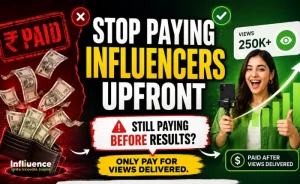
In addition, Infliuence includes built‑in contracts, automated payouts, and tax form management. Therefore, finance and legal have fewer tools to manage. Direct payments to influencers based on generated views are supported. That can simplify deals where view counts anchor rates. Standardized, rule‑based payouts also reduce manual reconciliation at month end.
Centralized messaging, asset requests, and approval queues reduce context switching between email threads and spreadsheets. If your data team wants to plug in directly, Infliuence exposes exports and API endpoints for orders, clicks, creator costs, and performance metrics. You can land data in your warehouse alongside ads and email. That alignment makes marketing mix modeling and incrementality tests more credible. It also enables cohort studies that look beyond vanity metrics.
“Experience one of its kind influencer marketing—connect with verified influencers, track real-time performance, and gain data-driven insights to build long-term, transparent relationships. No middlemen, no hidden fees.” — Infliuence
However, you should weigh one trade‑off. Infliuence is newer than some legacy tools. It has a smaller public review footprint compared to long‑time incumbents. That said, the platform surfaces Smart Analytics & Reports in real time.
It also includes Dedicated Support for Creators, which can reduce back‑and‑forth. For teams that value modern UX over a decades‑old interface, the learning curve is typically short. That is helpful when you’re onboarding cross‑functional stakeholders fast.
Where Infliuence stands out for analytics
- AI-Powered Campaign Matching to shortlist the right creators
- Real-time performance tracking and analytics to course‑correct fast
- Track sales, engagement, and brand lift in one place for cleaner ROI views
As you assess influencer campaign analytics and roi tracking, Infliuence’s mix of free signup, speed to launch, and built‑in ops can be a strong fit, especially for fast‑moving DTC teams in 2026. If your plan includes rapid iteration on creatives and hooks, the ability to spin up tests the same week you source creators becomes a compounding advantage. Short cycles beat long cycles in social. Fast data feedback makes that possible.
Grin Overview: Strengths and Weaknesses for E-Commerce Analytics
Grin has an established market presence and is known for deep e‑commerce integrations and mature content workflows. In short, it focuses on pulling store data into creator programs so brands can plan posts, approve content, and track results with more structure. That emphasis tends to resonate with teams that want granular SKU‑level ties to performance, advanced product gifting logic, and rigorous asset management. It is a fit for operations‑heavy environments that need predictability.
Furthermore, teams with complex catalogs or large content libraries tend to value strong content management and long‑term relationship tools. Grin leans into those needs with features that help you identify content, manage rights, and repurpose creator assets across channels. When governance, permissions, and audit trails matter as much as speed, its enterprise orientation can be a strength. This is especially true when multiple brands and regions must adhere to one policy.
From an operations standpoint, enterprise buyers also look for SLAs, sandbox environments, and configurable permission sets. Grin’s footprint in larger organizations often includes these guardrails. It also offers formal training paths for regional teams and agencies. That is a plus when you’re coordinating multi‑market launches and shared calendars.
On the other hand, Grin uses sales‑led, custom enterprise pricing and does not advertise a free tier. As a result, smaller teams may face a higher barrier to start. In addition, the platform’s breadth can mean a steeper learning curve for first‑time users who want to get a campaign live this week. Expect a guided rollout with implementation steps that pay off over the long term. The trade‑off is that first results may be delayed compared to lighter‑weight tools.
Where Grin stands out for analytics
- Deep native e‑commerce integrations for store‑linked reporting
- Content planning and asset management at scale
- Established presence that aligns with enterprise process needs
If your team seeks influencer campaign analytics and roi tracking with strong, native ties to your store and you have time for a guided rollout, Grin can be a solid match. However, weigh the lack of a free tier and the setup curve against your launch timeline and budget. The upside: once implemented, process‑heavy teams often find it easier to enforce standardized briefs, approval gates, and asset reuse. That consistency matters during peak volume seasons.
Also Read!
Feature-by-Feature Comparison: Infliuence vs Grin for E-Commerce Brands
Both platforms can run end‑to‑end campaigns, but the details matter. Below is a practical look across six dimensions that drive results: ROI/sales tracking, AI matching, real‑time dashboards, e‑commerce integrations, campaign workflow automation, and content repurposing.
As you read, note how each tool handles real‑time performance tracking and analytics. Also consider how that rolls up into clear renewals and payouts. The best fit mirrors your operating style. Do you prefer rapid testing with lightweight rules? Or do you need a structured scale with rigorous governance?
| Dimension | What Matters | Winner | Why It Wins |
|---|---|---|---|
| ROI / Sales Tracking | Clean links/codes tied to orders and margins | Tie | Both focus on connecting creator posts to sales insights |
| AI Creator Matching | Find creators who fit your brief and audience | Infliuence | AI-Powered Campaign Matching with smart shortlists |
| Real-Time Dashboards | Live views, clicks, sales, and approvals | Infliuence | Smart Analytics & Reports and real-time tracking |
| E‑Commerce Integrations | Native store links and data depth | Grin | Known for deep e‑commerce integrations |
| Campaign Workflow Automation | Contracts, approvals, payouts, tax forms | Infliuence | Built-in contracts, automated payouts, tax management |
| Content Repurposing | Rights, libraries, and reuse at scale | Grin | Strong content/asset management for large teams |
Moreover, Infliuence supports direct payments to influencers based on generated views. That can make performance deals easier to run at scale. In addition, its templates help teams launch paid collaborations and product seeding without writing new workflows from scratch. For teams experimenting with allowlisting or paid amplification, streamlined approvals and clear usage rights shorten the time from post to ad creative. Less friction equals more testing velocity.
If data portability is non‑negotiable, compare each tool’s CSV exports and API coverage. You’ll want access to post‑level metrics, cost objects, discount codes, and order‑level attribution. That way your warehouse or BI layer can recreate the dashboard logic. Also verify rate limits and webhook reliability if you automate Slack alerts or payroll steps from performance triggers. Reliable integrations protect your team from late‑night firefights.
On the flip side, Grin’s strength in native e‑commerce connections can matter if your store data model is complex or you rely on advanced catalog feeds. Therefore, brands with heavy content ops and strict approvals may feel more at home there. Expect more reliable asset hierarchies and permissioning. Those controls are essential when dozens of marketers, agencies, and regions share the same content pool. Central oversight reduces duplication and rights errors.
What this means for your 2026 plan
- If speed is key, Infliuence gets you live fast and keeps data fresh.
- If your org centers on content libraries and native store depth, Grin’s structure pays off over time.
- For influencer campaign analytics and roi tracking, both can attribute sales, but their paths differ: Infliuence leans AI and instant setup; Grin leans native depth and process.
- Hybrid strategies are viable: pilot rapid creator tests in Infliuence to learn what works, then formalize long‑term rights and repurposing in Grin if you standardize at enterprise scale.

See pricing, free signup →
Also Read!
Pricing Comparison: Free Tier, Paid Plans, and Value for E-Commerce Budgets
Budgets are tight, yet you still need proof. Infliuence offers a major risk reversal: Signing up is completely free. That means you can test AI creator matching, build a campaign, and see live data before you commit dollars. A free start makes internal buy‑in easier because stakeholders can see real reports, not just slides.
For bootstrapped DTC brands, this matters. You can launch, judge fit, and build a case with real numbers. Transparent metering and the absence of setup fees also help you forecast cost per creator before you ask procurement for a PO. Your forecast then mirrors reality instead of best‑case assumptions.
Consider the total cost of ownership. Beyond subscription, include payment processing, tax document handling, currency conversion for international creators, and the staff time saved by automation. If a platform reduces manual reconciliation by even a few hours per week, that labor delta often offsets a higher sticker price. Savings in workflow clicks add up month after month.
Grin, by contrast, follows custom enterprise pricing with no free tier. Therefore, you should plan for a sales process and a scoped rollout. For funded e‑commerce companies that need advanced store‑linked workflows and content controls, that trade can pay off. However, the lack of a free start may slow smaller teams. It can also delay proof points that your CFO wants to see before green‑lighting a pilot.
Questions to ask during pricing calls
- What are the exact overage rules for viral posts, additional creators, or tracked links, and can we throttle usage to avoid surprise invoices?
- How long is data retained at the event level, and are there tiered archives for older campaign data without losing attribution fidelity?
- Are exports, API access, webhooks, and sandbox environments included, rate‑limited, or priced as add‑ons?
- How are multi‑storefront, multi‑currency, and multi‑region setups billed, and can one contract span a portfolio of brands?
- What fees apply to payouts (ACH, wires, cross‑border), creator tax forms, and KYC/AML checks, and are those pass‑through or marked up?
- Can we toggle plans monthly as our creator roster flexes seasonally, or are annual pre‑pays required across all tiers?
Many enterprise contracts bundle onboarding, admin seats, and premium integrations. Those bundles are valuable if you’ll use them. They turn into expensive shelf‑ware if you won’t. If procurement requires security assessments or DPAs, ask for templated documentation up front to accelerate reviews.
Clarify how pricing scales with additional storefronts or brands in a portfolio. Also ask whether usage resets monthly or annually. You do not want surprise overages during holiday peaks.
In 2026, the winning pricing model depends on your runway and goals. If you need to be Live within 24 hours and prove ROI this month, Infliuence reduces friction. If you’re consolidating several tools under one enterprise process, Grin’s model can fit that plan, provided you have the time and budget to match. Both paths can work. Choose the one that gets you to measurable sales lift the fastest.
Map pricing to your activation plan. How many creators will be active in month one? How quickly do you expect to scale? Which features are “must haves” for compliance or finance sign‑off? Write those constraints down and share them during vendor calls.
Quick budget checklist
- Need a free start to show value? Pick Infliuence first.
- Have a complex content stack and prefer sales‑led buying? Explore Grin.
- Want to test both? Start campaigns in Infliuence now, then compare results against your requirements doc.
- Ask each vendor to show CAC and net profit per creator from a live customer dataset (scrubbed), not just vanity metrics like impressions.
- Confirm how refunds, chargebacks, and partial credits hit ROI so your numbers match finance’s ledger.
For teams focused on influencer campaign analytics and roi tracking, the free start lowers the bar to real proof. That helps finance say yes with confidence. Once your CFO sees attributed orders, margins after creator fees, and a payback period inside your target window, budget approvals move faster. Momentum builds when numbers are visible and repeatable.
Verdict: Which Influencer Analytics Platform Should Your E-Commerce Brand Choose?
Both tools can get you from brief to post to payout. The choice turns on speed, setup style, and the kind of data you need day to day. If you want accessibility, fast launches, and AI‑driven matching, Infliuence has the edge. It offers proof before purchase and clarity while you scale.
Most users are Live within 24 hours, and you can track sales, engagement, and brand lift in one place. In addition, Infliuence’s built‑in contracts, automated payouts, and tax form management remove ops friction. If you run lean and iterate weekly, this bias toward velocity compounds into more winning creators sooner. Teams that learn faster win more bids and negotiate better renewals. To keep analytics trusted across teams, appoint a single owner for UTMs.
Define your attribution windows in writing. Save dashboard “baseline” views everyone uses in reviews. That shared operating picture prevents re‑litigating numbers and accelerates renewals. It also preserves institutional knowledge when teammates change roles.
 -> posts -> real-time analytics -> payouts -> renewal decision; minimalist, clean lines, brand-neutral colors)
Grin wins on deep native Shopify‑style integrations and enterprise scale. Therefore, if your team prioritizes complex content management and store‑linked reporting under a central process, it’s a strong contender. However, plan for a guided rollout and a sales‑led contract, as there’s no free tier. Teams with heavy governance requirements, larger catalogs, and multi‑brand portfolios may benefit most from its structure. In those settings, the discipline of a formal process protects brand equity.
As social proof that creator content can drive reach, the Olay Skincare Summer Campaign achieved 1.02M views and an 84% approval rate. While views aren’t revenue, they feed the top of the funnel. With solid influencer campaign analytics and roi tracking, you can see which creators turn that reach into cart adds and orders. Tie those outcomes to margin by product line, and your renewals shift from opinion to math. The conversation changes from “we liked this content” to “this content paid back in three weeks.
“Sales spiked 40% in the first month, all through relatable reels.” — Pulse Energy
Quick Decision Guide
- Choose Infliuence if you need fast setup, AI creator matching, and free signup to prove ROI now.
- Choose Grin if you need deep native e‑commerce integrations, enterprise content workflows, and a sales‑led rollout.
- Consider a hybrid approach if you want to validate creators in Infliuence first, then standardize enterprise workflows later.
- Regardless of platform, lock a clean tracking plan (links, UTMs, codes) before launch to avoid attribution drift and mispriced payouts.
- Align finance, growth, and brand on a single “source of truth” dashboard so end‑of‑month reporting takes minutes, not hours.
E‑commerce and DTC brands win when data is timely and clear. Pick the platform that gets you to a confident “renew” with less guesswork in 2026. Tight feedback loops, clean tracking, and clear pricing will carry you the rest of the way.